





Call Center - +62 823 1592 2911


Is it true that eating nuts causes acne?
24 October 2026
0 min read

Dr. Popy Mega Wati
General Practitioner at Graha Sehat Kraksaan Hospital
A healthy, radiant, and glowing face is everyone's dream, both men and women. After all, one's face is one of the most important ways to evaluate a person. It's no wonder facial care is so important to maintain one's appearance.
Likewise, when acne appears on the face, everyone is naturally confused and wants to treat it immediately. This can lower self-confidence.
Many people believe that acne on the face is caused by several factors. One of them is frequent consumption of nuts, which makes the face prone to breakouts.
Is it true that eating nuts can trigger acne? Or is it just a myth?
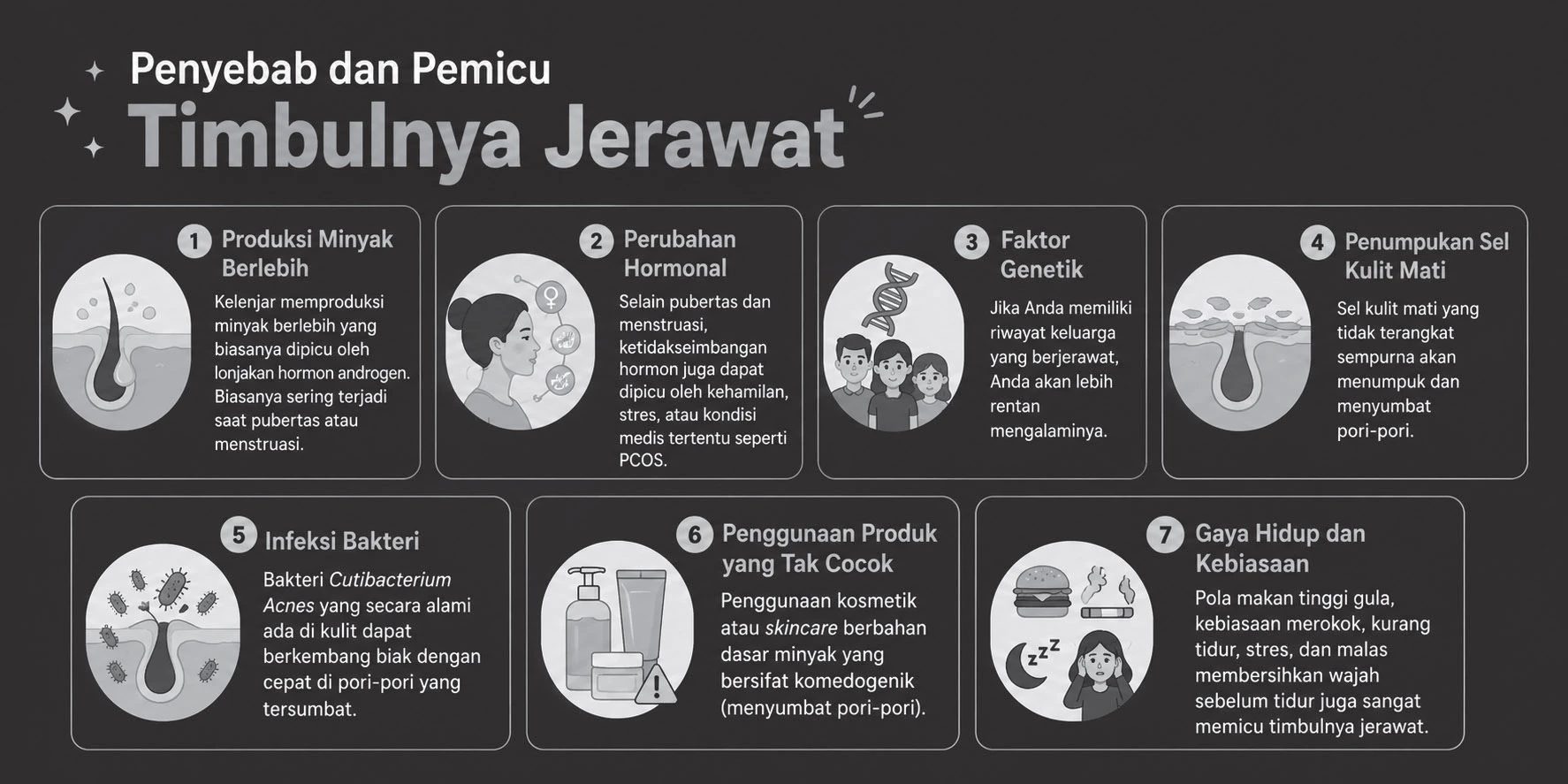
Dr. Popy Mega Wati, a general practitioner at Graha Sehat Kraksaan Hospital, said several factors can trigger acne. These include overproduction of the skin's natural oil (sebum) and blockage of hair follicles by a mixture of dead skin cells and sebum.
Then, a bacterial infection of the Propionibacterium acnes type develops, blocking hair follicles and causing inflammation. Genetic or hereditary factors also play a role.
This condition can occur if one of the parents has acne, as well as if there's a hormonal imbalance, for example, when there's excess androgen activity or hormonal changes during menstruation.
"Acne can be caused by several things. Stress can also potentially worsen existing acne," he said.
When acne appears, it requires prompt, effective, and correct treatment. This will help the acne heal and prevent scars, which can negatively impact your face. One way to do this is by regularly cleansing your face. Then, thoroughly washing your face until it's clean to remove any remaining dirt that could trigger acne.
Then, reduce your use of skincare products with high oil content. If immediate improvement doesn't occur, consider using acne medication. Equally important, avoid squeezing pimples, as this can actually affect the smoothness of your skin.
"If acne appears, there are several steps you can take. It can quickly disappear, and your face will return to a smooth, radiant complexion," he said.
Prompt treatment for acne is essential. Delayed treatment can have detrimental effects on the face, such as the formation of scars. This condition occurs due to deep inflammation that damages skin tissue, leaving behind dimples or pits that are difficult to remove.
Left untreated, acne can also cause skin discoloration. Dark patches (PIH) or redness (PIE) remain after the acne subsides, which can take months to fade.
Can Cause Inflammation if Left Untreated
If acne is left untreated, there are other potential side effects. Old acne can also cause inflammation to worsen and spread. Without treatment, acne-causing bacteria can multiply and spread to surrounding pores, triggering the appearance of new, larger, and pus-filled pimples.
The most extreme impact of leaving acne untreated can lead to skin infections. Allowing acne to fester without treatment can lead to the urge to squeeze it in an unsanitary manner. This can lead to secondary bacterial infections and worsen the damage.
"Acne that appears must be treated immediately, as it can have detrimental effects on the face," he explained.
Facial acne can also be prevented in several ways. These include maintaining a healthy lifestyle and diet. Eating low-glycemic foods, such as vegetables, berries, whole grains ( oats , quinoa ), and fatty fish rich in omega-3 (anti-inflammatory).
Next, learn to manage stress effectively. Stress increases the hormone cortisol, which triggers sebum production. This can be achieved through relaxation techniques, adequate sleep, and regular exercise.
Always maintain skin hygiene. Wash your face at least twice a day with the right soap. Avoid touching your face with dirty hands, which can transfer bacteria. Also, drink enough water to help detoxify the body and maintain skin moisture from within.
Some other steps you can take to prevent acne include using non- comedogenic cosmetics , which don't clog pores.
Use a non- comedogenic moisturizer that won't trigger acne and is suitable for your skin type. Also, avoid squeezing or picking at pimples, as this can lead to skin infections. Avoid rubbing your face with rough cloths or gloves.
"Also, maintain good personal hygiene by showering immediately after activities. Excess oil on the face can trigger acne," he said.
So, does eating nuts trigger acne? Or is it just a myth?
Dr. Popy explained that this is just a myth. Eating nuts is not a direct cause of acne. Medically, the notion that eating lots of nuts causes acne is not directly proven. This is because nuts contain healthy fats, protein, and vitamin E, which are actually beneficial for skin health. Acne generally occurs due to clogged pores, excess sebum production, and bacterial infections.
"That's just a myth. Medically, acne is caused by several things. Maintain good hygiene by washing your face twice a day. It's crucial to remove dead skin cells, excess oil, and makeup residue on the skin's surface, which can trigger acne," he concluded. ( ar/fun )
Contact Us
For information and doctor appointments
